Indoor plants have become essential tools for home decorators, offering more than just greenery—they bring life, warmth, and personality to any space. Across living rooms, kitchens, and even bathrooms, strategically placed plants can transform a house into a welcoming, vibrant home. Home decorators understand that plants soften hard edges, add texture, and create visual interest, while also influencing mood and energy. For example, a large leafy plant in the corner of a room can break up empty space and draw the eye, while a small cluster of potted plants on a shelf or windowsill can make a room feel cozy and lived-in. Beyond aesthetics, plants are often used to complement color schemes, balance symmetry, and add a natural contrast to modern furnishings or minimalist interiors.
Enhance Interiors With Unique Plants
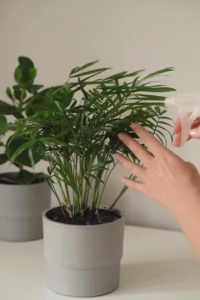 One of the ways decorators use plants to enhance interiors is by selecting species that match both the style of the room and the lifestyle of the homeowner. For example, hardy plants like snake plants, pothos, and fiddle leaf figs are popular because they are easy to maintain while making a bold visual statement. At the same time, water-based plants such as the waterweed plant are increasingly popular for home décor enthusiasts looking to add a unique touch. Waterweed plants, often displayed in glass containers or aquariums, introduce movement and fluidity to a room, creating a calming effect reminiscent of a flowing stream or pond. Their delicate, cascading leaves provide a refreshing contrast to more static elements like furniture or wall art, helping to create a dynamic, serene environment.
Warm, Natural Texture
Indoor plants also help warm up a room by introducing natural textures and colors that make a space feel more inviting. Greenery softens neutral tones, warms cool color palettes, and encourages a connection to nature even within urban or indoor settings. By placing plants near windows, on tables, or in hanging planters, decorators can create focal points and layers that make the room feel fuller and more comfortable. For homes with minimalist décor, a few well-chosen plants can prevent spaces from feeling sterile, while in eclectic or bohemian interiors, plants contribute to a sense of harmony among diverse patterns and colors.
Low Maintenance, High Appeal
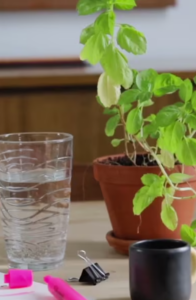 Maintenance is another important factor that decorators consider when using plants for décor. Choosing resilient species or plants suited to indoor lighting ensures longevity and keeps rooms looking vibrant over time. For example, the waterweed plant thrives in aquatic environments and can be placed in low-maintenance aquascapes, requiring minimal care while maintaining aesthetic appeal. Combining low-maintenance plants with occasional statement pieces allows decorators to design interiors that feel natural, dynamic, and sustainable.
Indoor plants like waterweed also contribute to a sense of calm and well-being. Their presence encourages mindfulness and offers a moment of relaxation, whether by observing the gentle movement of waterweed leaves in a bowl or simply enjoying the greenery during daily life. Overall, indoor plants are powerful décor tools that combine beauty, texture, and a sense of life. By incorporating plants like waterweed and other visually appealing species, home decorators can create spaces that are inviting, harmonious, and alive, proving that a room is never truly complete without the warmth and vibrancy of nature indoors.
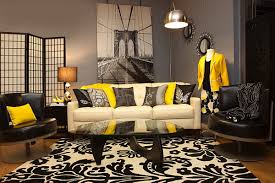 Home decorating has always been something that most people feel they need to improve upon. It is how interior designers get their job. We hire someone to come in and tell us what style would look good for our homes and then we change up our style and mix it with theirs. The goal for some is to have every room colored in ways that allow you to feel a certain flow from one room to another, without feeling overwhelmed by all the similar colors. This is easier now, thanks to the fact that fashion and interior design are coming together in the way that they are. We are using the same materials, the same colors, and the same textures in our daily wardrobe that we are decorating our homes with. Is this a good idea in your opinion?
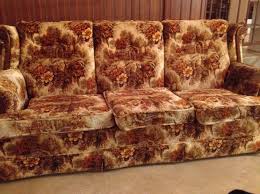 If you look back and think about it, clothing and furnishings have always shared something in common. They have always been designed to make an impression on whoever sees them. You wear clothes that you feel looks good on you in colors that you feel are most suited to you. Why wouldn’t your home deserve the same consideration? At one time, virtually every home had a couch with a brown pattern on it, some would also have burnt orange. They were slightly fuzzy, like a suede fabric. This was also during a time when people were happy to wear their suede clothing, but their clothing choices were often a little bolder in color than brown or orange. A few years ago, it came back into style, in both clothing and furniture. Vinyl is the same way, but most of us have never worn vinyl. Therefore, we opted for leather couches and leather jackets. It is a trend that has always been there, but the link between the two is just now becoming more and more evident.
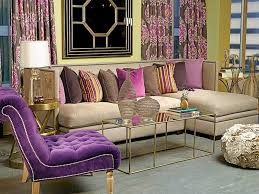 There are ways that you can create a home that is as beautiful and as unique as you are using the fabrics and colors that you love the most. We no longer need an interior designer to help us out. There are so many choices for anyone who wants to decorate a home and most of the time, you do not have to spend a fortune to achieve a style that fits your family’s needs. Are you ready to see what you can create in your home?